
Introduction
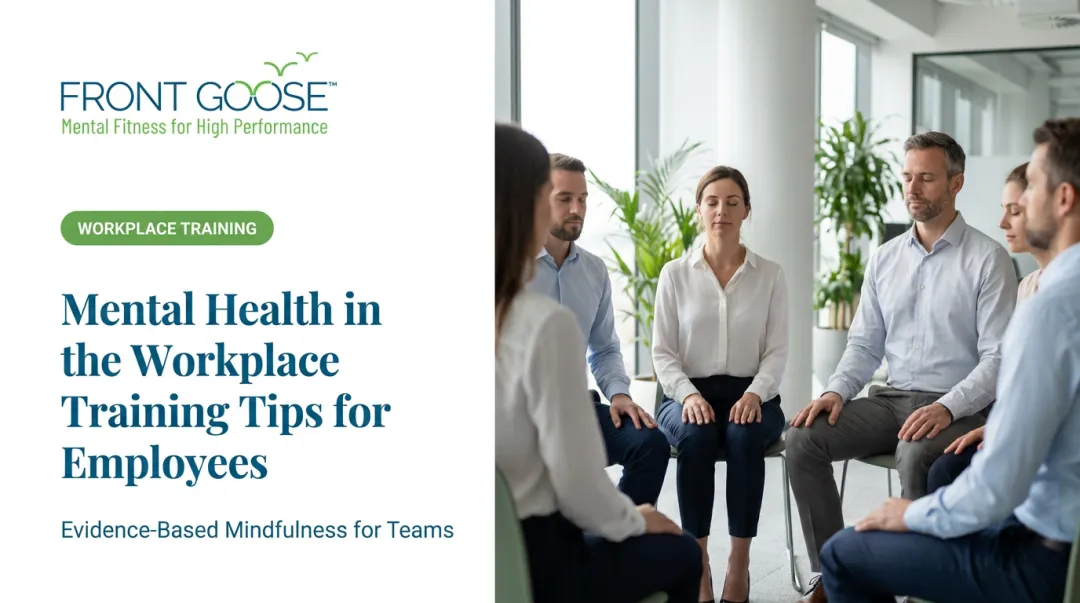
A guided breathing session or a peer listening circle can give people a moment of connection, reflection, and relief. But activities only work when people feel safe approaching leaders and the work itself is manageable.
APA's 2026 survey found that 95% of US workers value an employer who supports their psychological well-being. Expectations are high, and a one-off event won't meet them.
This guide covers 10 practical activities for office, remote, hybrid, and shift-based teams. It also explains how to keep participation voluntary, where professional boundaries sit, how to launch safely, and how to keep going after May.
Key Takeaways
- Start with one clear goal, such as stress, connection, literacy, or access to support.
- Keep participation voluntary, with no pressure to disclose anything personal.
- Managers should model healthy habits and refer serious concerns to qualified help.
- May starts the conversation; workload, feedback, and resources sustain it.
Why Mental Health Awareness Activities Matter in the Workplace
Awareness, well-being, and care are different things
Mental health awareness means knowing the signs, reducing stigma, and knowing where to turn. Well-being covers emotional, psychological, and social health, not just the absence of illness.
Clinical care is diagnosis and treatment by a licensed professional. Workplace activities support the first two. They are not therapy.
What good activities can do
- Normalize supportive conversations and reduce stigma
- Strengthen connection between colleagues
- Encourage people to seek help earlier
- Give employees a place to practice stress-management skills
Be realistic about the evidence. A 2023 workplace review found reduced stigmatizing attitudes in 20 of 22 studies, but only 3 were high quality and none were in the US.
Mental Health America's 2024 survey found 76% of respondents said work stress affects their sleep, though its sample skews toward people already struggling and isn't nationally representative.
The guardrail
The WHO recommends changing workplace risks, not just raising awareness. Activities should sit alongside manageable workloads, respectful management, time off, benefits, EAP access, and accommodations. If they cover for overwork, employees notice quickly.

10 Mental Health Awareness Activities for Employees
Mindfulness, Breathing, and Movement
1. Guided breathing or mindfulness resets. Run short sessions, live or audio-guided, in person or virtual. Offer camera-off and seated options. Frame it as an optional focus practice, not a cure. A 2020 meta-analysis of 56 workplace studies found mindfulness programs cut stress (Hedges g = -0.66), though those were multi-week programs, not drop-in sessions.
2. Walking, stretching, or nature breaks. Try walking meetings, desk stretches, or a five-minute outdoor pause. Offer alternatives for employees who can't walk or leave the building. Evidence for nature breaks is weak and mixed, so promise a pause, not a result.
Appreciation, Connection, and Peer Support
3. Gratitude and appreciation rituals. Peer shout-outs, a digital appreciation wall, or optional gratitude reflection all work. Keep recognition from becoming a popularity contest, and never require personal sharing. A 223-person US trial of a "three good things" exercise found small, short-lived gains, so treat it as a nice habit, not an intervention.
4. Structured peer listening circles or mental health ambassadors. Use trained facilitators or tightly bounded peer roles. Their job is connection and pointing colleagues to resources. They don't diagnose, counsel, force disclosure, or promise confidentiality they can't keep.
Education and Awareness
5. Mental health literacy or manager training. Cover recognizing general signs of distress, opening a compassionate conversation, responding without judgment, protecting privacy, and referring people on. Managers are not therapists. WHO guidance strongly recommends manager training, but evidence on downstream employee outcomes is mixed.
6. Expert-led sessions and resource campaigns. Workshops, webinars, resource guides, and Mental Health Awareness Month messaging can cover stress, sleep, emotional regulation, and EAP access. Check facilitator credentials and verify every phone number and link before sending.
Reflection and Creative Expression
7. Anonymous well-being check-ins. Short pulse surveys on stress, energy, connection, and support needs work well. HR should aggregate results, avoid identifying information, and tell employees what changed. NIOSH's WellBQ guidance sets no universal minimum group size, so decide your threshold deliberately. Skip clinical questions.
8. Creative expression breaks. Offer journaling, coloring, music, or creative writing as low-pressure resets. These are wellness activities, not art therapy, unless a qualified clinician leads them.
Environment and Habit Design
9. Quiet spaces and digital boundaries. Options include recharge rooms, reduced-notification windows, meeting-free focus blocks, and agreed communication norms. Give remote staff equivalents. The Surgeon General's framework supports limiting after-hours communication. Breaks must not become a privilege people earn.
10. Inclusive mental fitness challenges. Run voluntary, non-competitive challenges around breathing, reflection, sleep routines, or screen breaks. No public scoreboards, no fitness assumptions, and no incentives that push people to reveal health information. Under the ADA, 29 CFR 1630.14 prohibits requiring participation or coercion in covered health programs involving medical inquiries.
How to Choose the Right Activities for Your Workforce
Start With a Specific Employee Need
Gather signals from anonymous surveys, listening sessions, engagement feedback, absence patterns, and manager observations. Decide whether the main need is stress relief, connection, awareness, focus, or finding resources.
One activity will not suit every team.
Match Activities to Work Context
- Offer live, asynchronous, low-bandwidth, camera-optional, and in-person versions
- Account for time zones, language, disability access, sensory needs, and neurodivergence
- Consider religious and cultural differences
- Ask whether an activity could feel childish, invasive, competitive, or physically demanding
Build Psychological Safety Into the Design
Make participation optional and transparent:
- Say what participation data you will and will not collect
- Let people opt out without explanation
- Write a response plan for distress or crisis disclosures that spells out when to involve HR, clinicians, or emergency services
- Include the 988 Suicide & Crisis Lifeline (call or text 988) and Crisis Text Line (text HOME to 741741)
Keep the First Program Manageable
Pilot two or three complementary activities within existing work time. Assign an owner and an executive sponsor, then review feedback before expanding.
Match facilitators to risk: clinical, trauma-related, or crisis content belongs with qualified professionals.
How to Launch Activities Safely and Effectively
Communicate Purpose, Boundaries, and Voluntary Participation
Your launch message should explain why you're offering these activities, who they're for, how to take part, and where to find support. State plainly that attendance doesn't affect performance reviews and that activities support awareness and well-being. These activities don't diagnose, treat, or replace professional care.
Prepare Managers and Facilitators
Give managers a short guide covering:
- Inviting participation without pressure
- Modeling boundaries and listening without trying to fix
- Protecting privacy and referring people to the right resources
Managers should not diagnose, promise absolute confidentiality, or attempt crisis intervention without training.
If you need structured mindfulness or mental fitness programming, Front Goose Wellbeing is one option. Founder Megan Dittman spent 25 years as a corporate HR executive and holds Chopra Institute meditation certification and NBC-HWC board certification. Programs run from single workshops to multi-month cohorts, in person or virtual. They are not clinical treatment.
Use a Simple Rollout Sequence
- Identify the need through surveys, manager input, or stress signals
- Announce the purpose and that participation is voluntary
- Run a low-risk introductory activity first
- Add a structured session or resource campaign
- Collect feedback on timing, format, and usefulness
- Adjust next month's schedule based on what you learned

Hold activities during paid time or existing meetings, never as mandatory after-hours add-ons.
Make Participation Accessible
Offer formats that fit different work patterns:
- Remote and in-person versions
- Camera-optional sessions and written alternatives
- Accessible setups and recorded resources
Don't schedule only at lunch, and don't forget shift workers. Low attendance doesn't prove people don't care; it often means the timing or format failed.
Provide Resources Before and After Each Activity
Make EAP details, benefits information, counseling options, HR contacts, and crisis resources easy to find. An EAP is a voluntary, work-based service offering confidential assessments, short-term counseling, and referrals. FindTreatment.gov helps locate treatment. Set up a private route for people who want individual support, and explain how you'll respond to concerns raised.
Measure and Sustain the Program Year-Round
Attendance shows reach, not impact. The CDC's 2024 evaluation framework separates process, outcomes, and causal impact. Track:
- Invitations, participation, and repeat engagement
- Perceived usefulness and accessibility
- Self-reported changes in stress, connection, focus, and confidence finding support
Run a short baseline and follow-up pulse with consistent questions. Don't report on very small groups, and don't collect unnecessary medical information.
Then close the loop. Share what you learned and what will change. Keep the best activities on a recurring calendar. Connect feedback to workload, manager support, time off, benefits, accommodations, and psychological safety.

After May, other dates can help, such as World Mental Health Day on October 10, but only when they meet a real need. A calendar full of token events does more harm than good.
Conclusion
The best activities are practical, voluntary, inclusive, and tied to a broader culture of support. Start small, listen, and improve over time.
Pick one activity that fits a current need, show people where to find support, and build awareness into everyday work rather than a single month.
Frequently Asked Questions
What are mental health awareness activities for employees?
They are voluntary workplace activities that build awareness, connection, stress-management skills, or knowledge of support resources. They are not therapy or clinical treatment.
How can companies celebrate Mental Health Awareness Month at work?
Mix education, mindfulness, peer connection, manager support, confidential resources, and employee feedback. Keep the useful pieces going after May.
How often should employers offer mental health activities?
Choose a cadence employees can sustain, such as brief recurring activities plus occasional workshops. Too many events add workload and start to feel mandatory.
How do you make workplace mental health activities inclusive?
Offer remote, hybrid, and shift-friendly options, camera-optional and asynchronous formats, and accessible, low-pressure choices. Consider sensory and cultural needs.
Can workplace activities replace professional mental health care?
No. They support awareness and general well-being but cannot replace therapy, medical care, crisis intervention, or EAP services.
How can HR measure whether mental health activities are working?
Track participation, perceived usefulness, anonymous pulse results, accessibility feedback, and resource awareness. Also check whether the organization acted on what it heard, rather than relying on attendance.